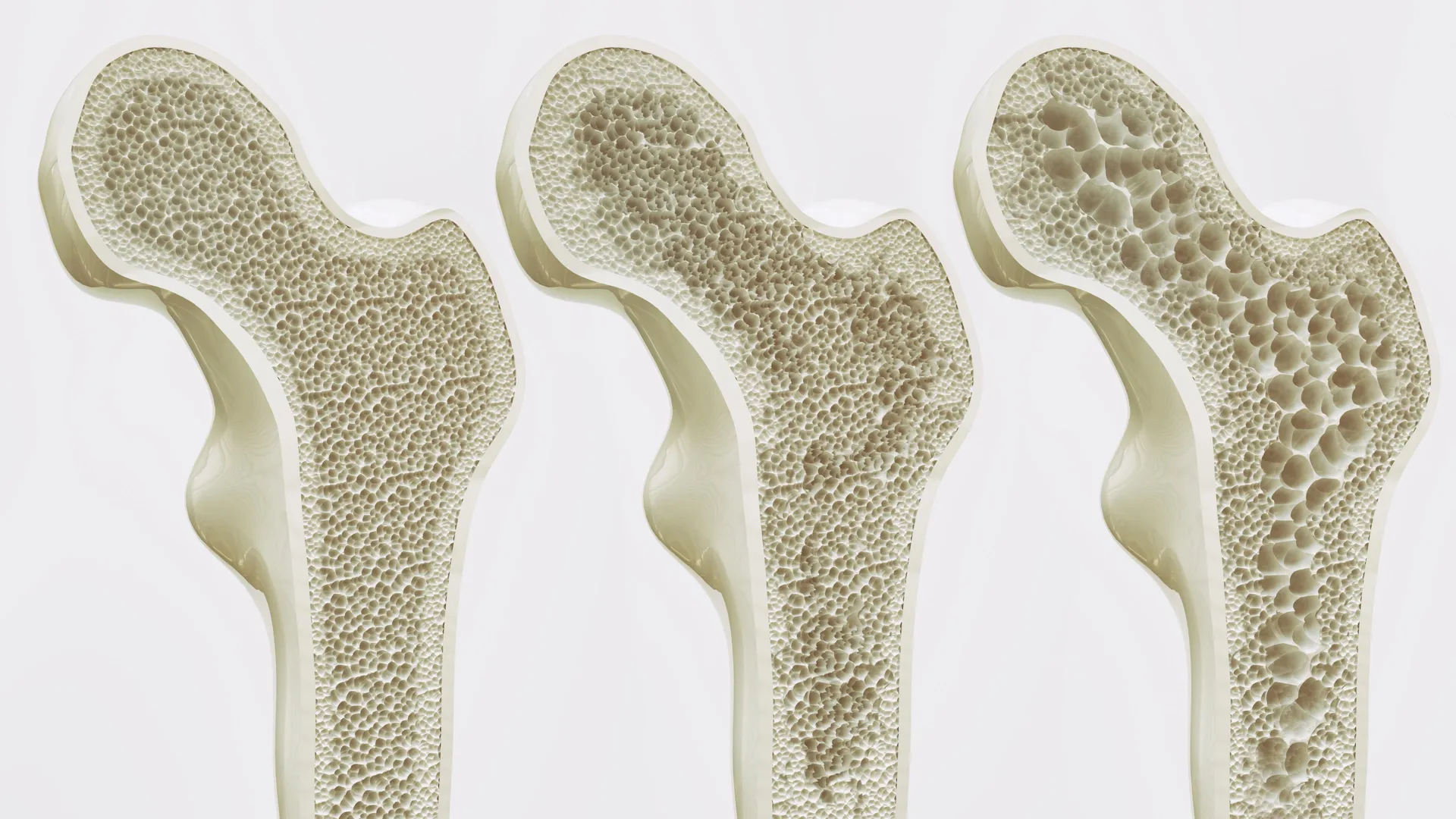
Calcium and vitamin D supplements are widely prescribed to support aging bones, but a major review published in The BMJ suggests they offer little to no protection against falls or fractures for most older adults.
Falls represent a severe health risk for aging populations. Nearly one in three adults aged 65 and older falls each year, often leading to fractures, chronic pain, lost independence, or a transition into residential care. Consequently, identifying effective preventative strategies remains a critical public health goal.
Long-Standing Doubts
Calcium serves as a key structural building block for bone, while vitamin D enables its absorption and supports healthy bone metabolism. However, despite their intuitive benefits, previous evidence reviews have consistently found that taking either supplement alone fails to reduce fracture risk. Results for combined usage have been mixed, and researchers have long questioned whether vitamin D alone can meaningfully prevent falls.
Despite these uncertainties, clinicians, clinical guidelines, and regulatory bodies still routinely recommend vitamin D—with or without calcium—driving a sharp rise in prescriptions in recent years.
Analyzing 69 Randomized Trials
To evaluate the evidence, Canadian researchers analyzed data from 69 randomized controlled trials involving 153,902 adults.
Participants were evaluated across groups taking calcium alone, vitamin D alone, or a combination of both against a placebo or no treatment. Utilizing established research frameworks, the team assessed study quality, risk of bias, and evidence certainty to measure whether supplementation meaningfully altered fall and fracture rates.
Minimal Impact on Fractures and Falls
Using predefined thresholds for clinically meaningful benefits, the researchers found little to no reduction in overall fracture rates:
Calcium alone: Moderate-certainty evidence across 11 trials (9,067 participants) showed no meaningful benefit.
Vitamin D alone: High-certainty evidence across 36 trials (92,045 participants) showed no meaningful benefit.
Combined supplementation: High-certainty evidence across 15 trials (51,126 participants) similarly showed minimal impact.
This trend held consistent when analyzing specific outcomes, such as hip fractures and individual fall events, with most data backed by moderate-to-high certainty. These conclusions remained stable regardless of age, sex, prior fall history, or baseline dietary calcium intake.
Key Exceptions and Recommendations
The authors note several important caveats. The analysis was limited by smaller sample sizes in specific subgroups, and the findings do not necessarily apply to individuals with specific metabolic bone disorders or those undergoing treatment for established osteoporosis.
Nevertheless, the authors conclude that current evidence does not support routine supplementation for fracture or fall prevention in the general older adult population. They advise clinicians and regulatory bodies to re-evaluate widespread supplement recommendations.
In an accompanying editorial, experts advocate redirecting focus and resources toward proven non-pharmacological interventions—specifically balance training and resistance exercise—to build strength, stability, and long-term physical confidence.
Comments 0
No comments yet. Be the first to share your thoughts!